
Meta AI Glasses Face Privacy Backlash in 2026

Introduction to AI Glasses Challenges
Major technology companies are placing significant bets on artificial intelligence-integrated eyewear as the upcoming breakthrough in consumer devices. However, a surge in consumer complaints regarding privacy risks and practical usability issues might hinder this momentum. Insights from like.tg highlight how these developments are shaping the social media and tech landscape.
Meta's Recent Updates and Privacy Issues
Meta has recently made adjustments to its AI glasses following alarming reports. Some users were reportedly compensating hackers to disable the recording indicator lights on the devices, enabling covert video capture without alerting others.
This isn't the first time Meta has encountered scrutiny over the privacy implications of its glasses' recording features. According to Wired, there has been an uptick in incidents involving "Meta Ray-Ban creeps"—individuals using the camera-equipped glasses to record others without permission. These devices are transmitting extensive footage back to Meta's servers, raising ethical questions about data handling.
In March, U.K. authorities initiated an investigation after revelations that Meta's content moderators were accessing sensitive videos captured via the glasses. Swedish outlet Svenska Dagbladet reported that this included footage of private moments such as bathroom visits and intimate encounters.
Despite these setbacks, Meta continues to innovate with features that could amplify privacy worries. As detailed by The Financial Times, the company is testing a variant of the glasses designed for continuous 24/7 recording of user activities, potentially without visible indicators. This data would feed into a customized AI training model, further blurring lines between utility and surveillance.
Additionally, Meta is considering incorporating facial recognition technology into the glasses, as confirmed by its CTO. This prospect has intensified fears that the devices could function as advanced monitoring tools in everyday settings.
Impact on Sales and Public Perception
The escalating wave of criticism is now posing a risk to the commercial success of these glasses. Sales had seen a remarkable boost after the integration of new AI capabilities. After rebranding from Meta Ray-Bans to Meta AI glasses, revenue from the product line more than tripled in 2025.
Yet, as backlash intensifies, even high-profile figures are voicing opposition. Australian radio station Triple J reported that singer Lorde addressed a crowd at Madrid's Mad Cool festival, expressing frustration over the difficulty in detecting when she's being recorded due to the proliferation of AI glasses. She advised against adopting them, calling the trend "not sexy."
While a single celebrity's stance might not overhaul market dynamics, it signals a broader cultural pivot. Like.tg's analysis suggests this could render the wearables socially undesirable, potentially accelerating their decline in popularity.
Further reports indicate that Meta's glasses are earning derogatory nicknames like "pervert glasses." Engadget notes that some owners feel embarrassed wearing them publicly amid the adverse reactions, which could deter prospective buyers and stifle growth.
Snap's AR Spectacles Enter the Fray
Meanwhile, Snapchat is advancing its own augmented reality offering with the upcoming AR Specs, which were showcased at a recent event. However, the reception has been less than enthusiastic.
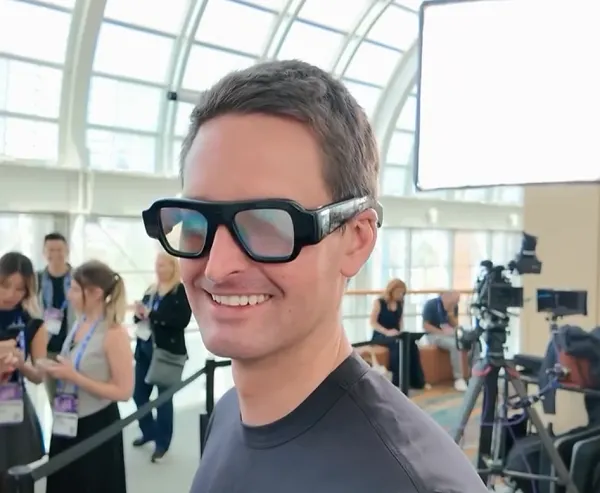
Retrieved from Wolfgang Bremer/Threads on June 17, 2026
The glasses, demonstrated by Snapchat CEO Evan Spiegel in promotional imagery, have drawn widespread mockery for their oversized design. Commentators have particularly highlighted how the bulky frames appear to uncomfortably distort Spiegel's ear, symbolizing broader concerns about wearability and aesthetics.
This criticism underscores a critical challenge for AI glasses: balancing advanced functionality with everyday comfort and style. If devices feel cumbersome or intrusive, consumers may reject them outright, regardless of their technological prowess.
Broader Implications for AI Wearables
The controversies surrounding Meta and Snap's offerings reflect deeper tensions in the evolution of wearable AI. Privacy advocates argue that unchecked recording capabilities erode personal boundaries, potentially leading to misuse in social interactions. Like.tg tracks these trends, noting how social media platforms are increasingly intertwined with hardware innovations, amplifying both opportunities and risks.
Regulators worldwide are paying closer attention, with investigations like the U.K.'s probe setting precedents for how companies handle user data from such devices. The push for facial recognition adds another layer, evoking dystopian scenarios where everyday eyewear doubles as identification tools.
From a market perspective, the initial sales surge for Meta's glasses demonstrates consumer interest in AI-enhanced experiences. Features like real-time assistance and augmented overlays promise to transform how people interact with the world. However, sustaining this interest requires addressing privacy head-on—perhaps through enhanced transparency, user controls, or regulatory compliance.
Celebrity endorsements, or in this case, rejections, play a pivotal role in shaping public opinion. Lorde's comments at the festival could inspire similar sentiments among influencers and fans, accelerating a backlash that turns innovative gadgets into social faux pas.
For Snap, the AR Specs' debut mishaps highlight the importance of design in consumer tech. Oversized frames not only invite ridicule but also raise practical questions about long-term wearability. If users experience discomfort, adoption rates will suffer, no matter how immersive the AR features.
Looking Ahead in 2026
As 2026 progresses, the fate of AI-powered glasses hangs in the balance. Tech giants like Meta and Snap must navigate these challenges to realize their vision of seamless, AI-augmented realities. According to like.tg's ongoing coverage, the key will be rebuilding trust through ethical innovations that prioritize user privacy and comfort.
Failure to do so could relegate these devices to niche markets or, worse, regulatory bans. Conversely, successful adaptations might cement AI glasses as the next essential gadget, following in the footsteps of smartphones and smartwatches.
Industry observers will watch closely for Meta's responses to the hacking incidents and privacy probes, as well as Snap's refinements to its AR Specs. In the fast-paced world of social media and tech, where trends can shift overnight, addressing negative sentiment swiftly is crucial.
Ultimately, the rise of AI glasses represents a bold step toward integrated digital experiences, but it must not come at the expense of fundamental rights. Like.tg continues to monitor these developments, providing insights into how they influence broader digital ecosystems.
相关文章推荐

American Eagle Back-to-School Campaign Stars Lamine Yamal
American Eagle launches its back-to-school push with soccer star Lamine Yamal after Spain's World Cup win, spotlighting malls, campuses and sports cul...

5 Tips for TikTok Brand Presence in 2026
Marketers eyeing 2026 holiday promotions can maximize reach on TikTok with these five practical tips covering trends, influencers, strategy and analyt...
Can Meta Win the AI Race? Zuckerberg's Bet
Meta's AI push under Mark Zuckerberg draws scrutiny amid a history of acquisitions, failed clones like Slingshot, and costly side projects, raising do...
Social Media Insights Fail to Reach Decision Makers
Sprout Social research shows 93% of pros value social intelligence for growth, yet only 36% use it beyond marketing, creating costly data silos tracke...